
THE EDIT ARCHIVE
Here you will find all issues of THE EDIT published to date.
The choice is yours...
Read the most-read articles or complete issues of THE EDIT, or select a specific topic, under which you will find a compilation of all articles on this topic that have been published in THE EDIT to date.
In any case, you will find interesting information that offers exciting insights and different perspectives on our journey to fossil freedom.
Most read THE EDIT articles

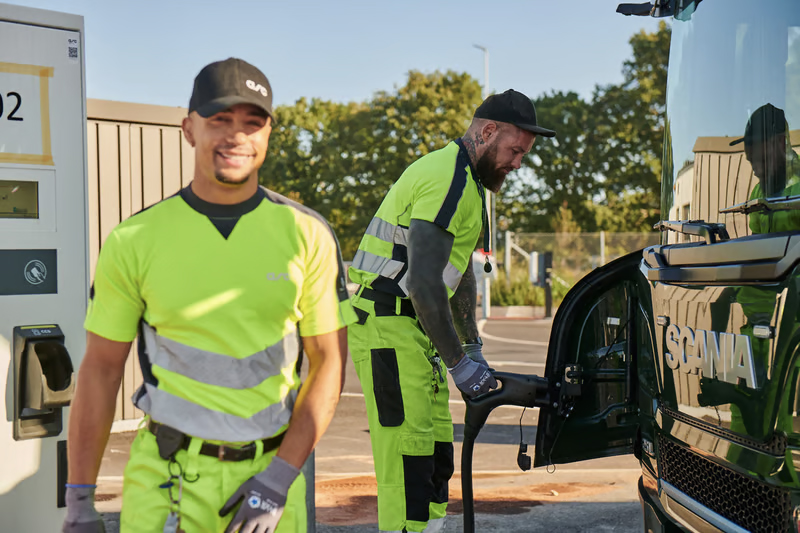
Trucks – a potential heavy player in the transition
The heavy transport sector is in the middle of a major structural shift. With more effective charging through Megawatt Charging System (MCS), with twice the effect as its’ predecessor, truck...

What can the energy transition mean for European competitiveness?
European industries are still dependent on imported fossil fuels, which can increase energy prices – and create a situation where the continent will always be third best after USA and China....

Taking the lead in a crowded charging market: the next step in electric driving
Electric driving is growing rapidly across Europe. But without reliable, affordable and smart charging infrastructure, that growth will stall. As markets mature, new pressures are emerging. ...

When emissions become cheaper, the cost to Europe risks rising
As energy prices rise, pressure mounts to reduce the price of carbon emissions. But making the EU’s emissions trading system cheaper risks becoming a costly outcome for Europe – ...

Huge road and tunnel project in the UK aims to reshape construction for the future
Construction is one of the hardest sectors to decarbonise. But in the UK, a major infrastructure project aims to reach carbon neutral by using electric machinery and low‑emission materials.

More renewables, less gas: how Europe’s energy system has changed since the war in Ukraine
Replacing Russian gas and accelerating fossil free energy are top priorities in the European Union. Four years after Russia’s full scale invasion of Ukraine, the transition is clearly under ...

THE EDIT issues at a glance
THE EDIT: a look back at previous issues
THE EDIT #1 Biodiversity
In this issue: Good news for biodiversity. The flight paths of thousands of birds were tracked by radar and cameras at offshore wind turbines for two years – and not a single bird collided with a blade. Plus: Why mix sheep and solar panels? And how can AI stop invasive fish? |
THE EDIT #2 Energy storage
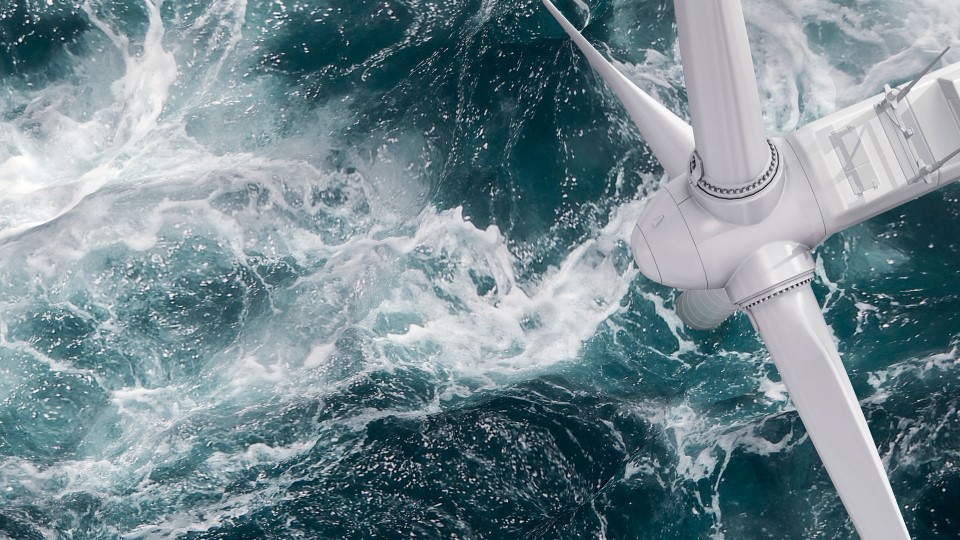
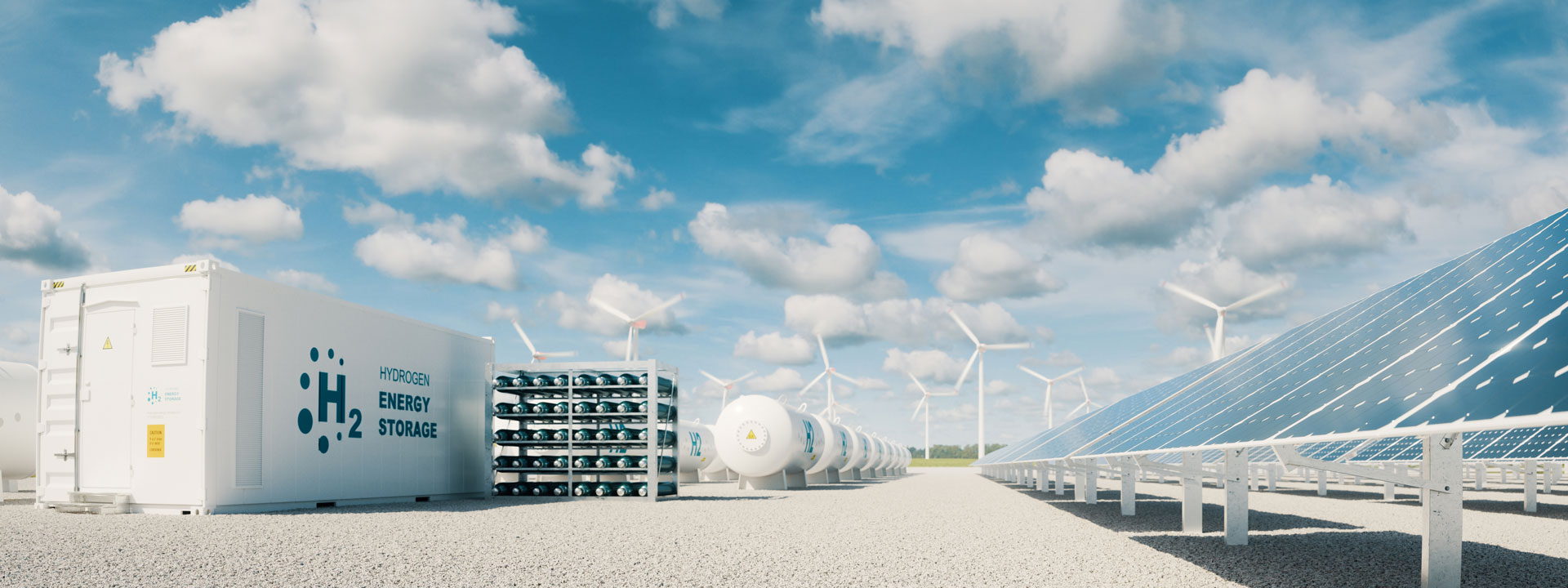
In this issue: Big leap for hydrogen production at offshore wind farms. Will this revolutionary new method finally pave the way for plannable wind power? Plus: Swedish battery developer Northvolt is on a mission to build batteries with a minimal carbon footprint. |
THE EDIT #3 Net zero
In this issue: Most countries agree to lower their emissions to net zero with the aim of halting climate change. But what does net zero actually mean? Plus: Sustainability as a business opportunity – and how excess heat from algae farming and sewage is keeping homes warm. |
||
THE EDIT #4 Hydrogen
In this issue: Hydrogen is the most common element in the universe and widely used in industry. It is finding its way into innovative applications, and the increasing fossil-free production of hydrogen gas creates great opportunities to reduce carbon emissions. Plus: Why is model and actress Cara Delevingne spraying industrial emissions on her face? |
THE EDIT #5 Supporting society
In this issue: Acceptance from the public is essential for establishing new fossil-free energy alternatives. In Swedish Östhammar the nuclear power plant Forsmark has helped the community and the local businesses flourish. Plus: New research shows that people living close to wind farms have a more favourable view of them. |
THE EDIT #6 Nuclear
In this issue: Most countries agree to lower their emissions to net zero with the aim of halting climate change. But what does net zero actually mean? Plus: Sustainability as a business opportunity – and how excess heat from algae farming and sewage is keeping homes warm. |
||
THE EDIT #7 Transportation
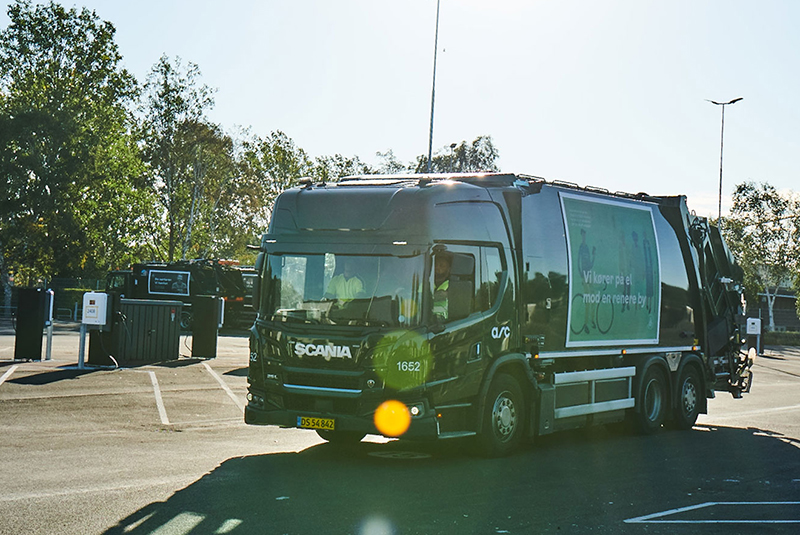
In this issue: Join THE EDIT for a ride through the streets of Copenhagen, where the shift to electric refuse trucks is making a huge impact on the soundscape. Now, it’s almost too quiet. Plus: Charge your car without a cord – it will be possible sooner than you think. |
THE EDIT #8 Energy efficiency
In this issue: THE EDIT investigates why some buildings in the coldest and darkest reaches of Europe need less energy in winter than houses in other climates. Thicker walls are only part of the reason. Plus: The dos and don’ts of keeping your energy bill down this winter. And how you can keep warm with artificial intelligence. |
THE EDIT #9 Circularity
In this issue: Reuse or recycle – that is the question. As the demand for electric vehicles continues to grow, THE EDIT explores two distinct approaches to managing spent batteries. Is one method better than the other? Plus: Why the wastewater from your morning shower can help meet climate targets. And how a digital eye will make you a better. |
||
THE EDIT #10 Challenges & Solutions
In this issue: How this year’s EU elections will be crucial for the environment – locally and globally – with the hotly debated Green Deal in focus. Plus: Meet the architect who turns used wind turbine blades into buildings, bringing his vision of “visible sustainability” to life. And 14-year-old eco-innovator Vinisha Umashankar shares her take on some of India’s pressing environmental challenges. |
THE EDIT #11 Storing and using captured carbon
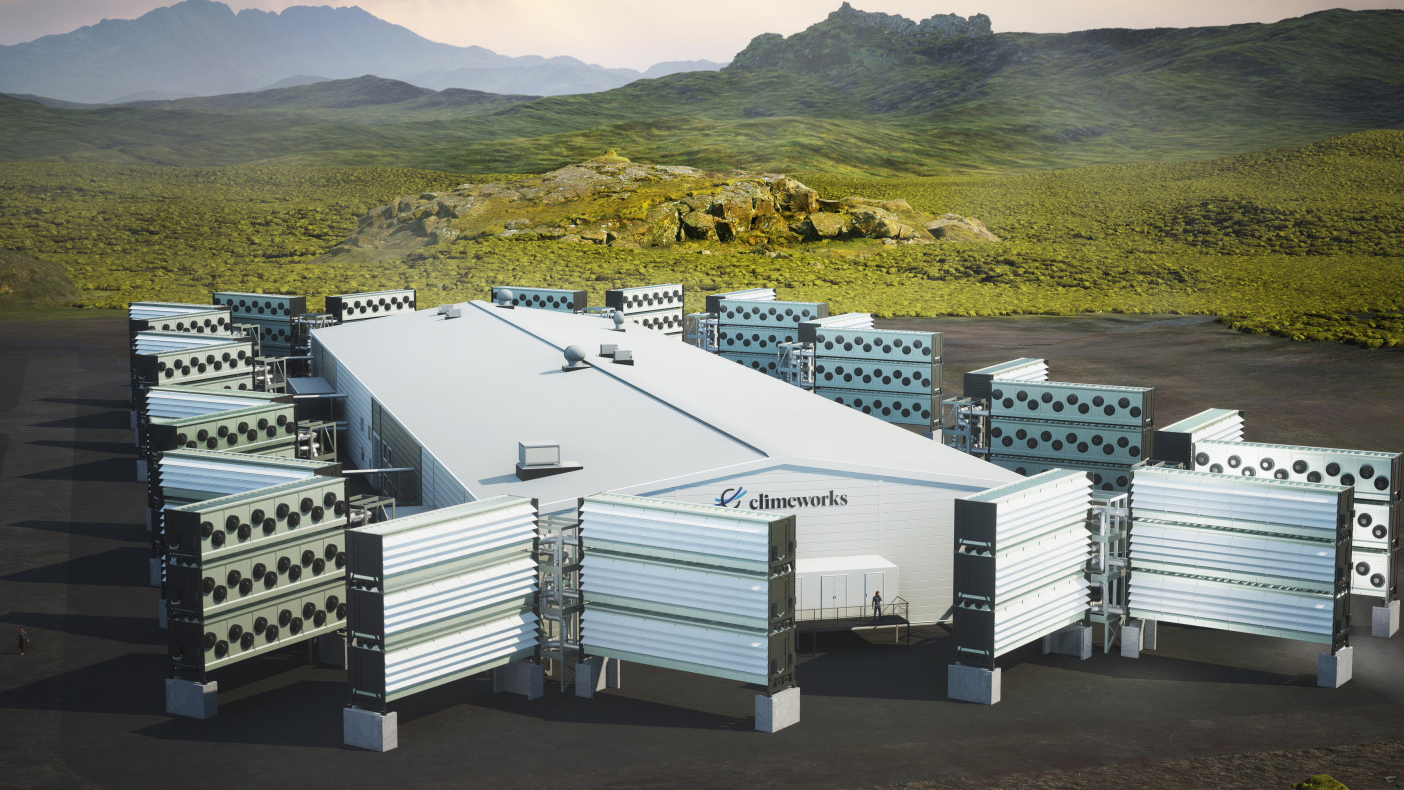
In this issue: Hopes are high that carbon capture, storage and utilisation (CCUS) can help reduce global CO2 levels. However, levels of captured CO2 are currently minimal compared to total emissions. Can carbon capture and emissions reductions be balanced – or do we have to go for one or the other? Plus: How Norway has stored CO2 in the seabed since the 1990s. |
THE EDIT #12 Climate risk management
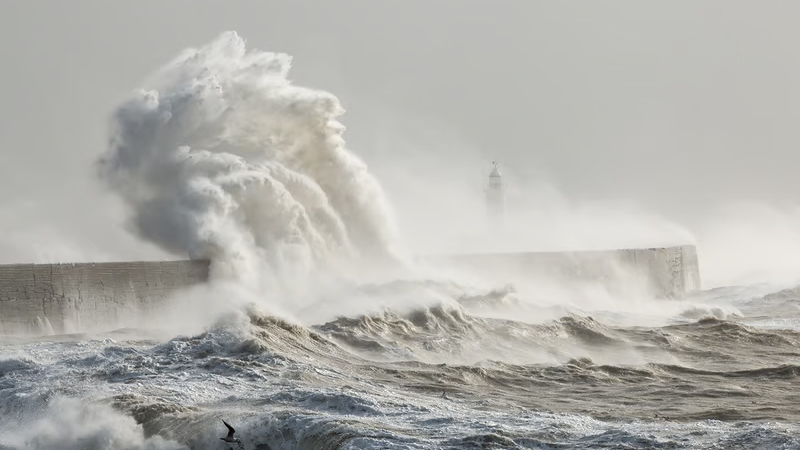
In this issue: The transition towards a fossil-free energy sector will make energy production increasingly weather dependent. But what happens when climate change amplifies extreme weather? Plus: Farmers across Europe are protesting against EU environmental regulations they claim are hurting them disproportionately. How can we ensure a just and fair transition away from fossil fuels? |
||
THE EDIT #13 Water
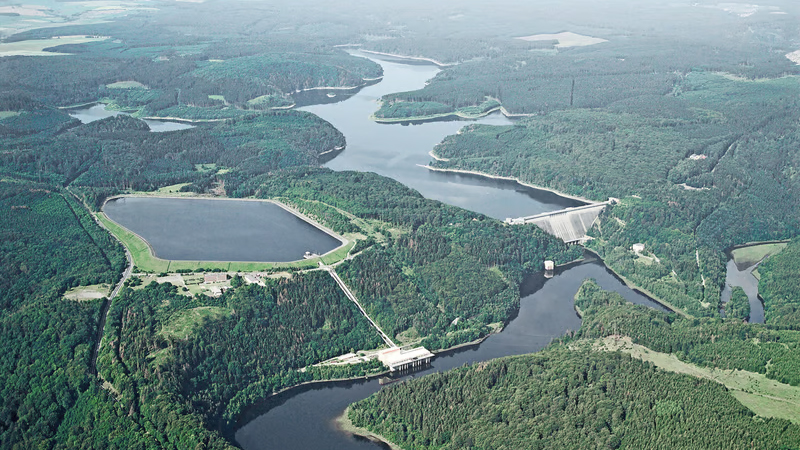
In this issue: We explore the resurgence of pumped hydro power across Europe. From Germany's ambitious energy transition to Sweden's revival of its largest pumped hydro facility – discover how these power stations provide a crucial, plannable power source for our future energy needs. Plus: Why is tidal power given another go in the Bristol Channel? And how offshore wind farm Lillgrund is making marine life thrive. |
THE EDIT #14 Innovation
In this issue: Climate change and keen competition are the main driving forces behind more sustainable and efficient energy solutions. And only innovations that offer both can last long-term. In this issue, THE EDIT explores the four elements in search for innovations beyond traditional renewables. Plus: High-flying plans for flight, deep-diving drones, and the importance of digital twins. |
THE EDIT #15 Biodiversity
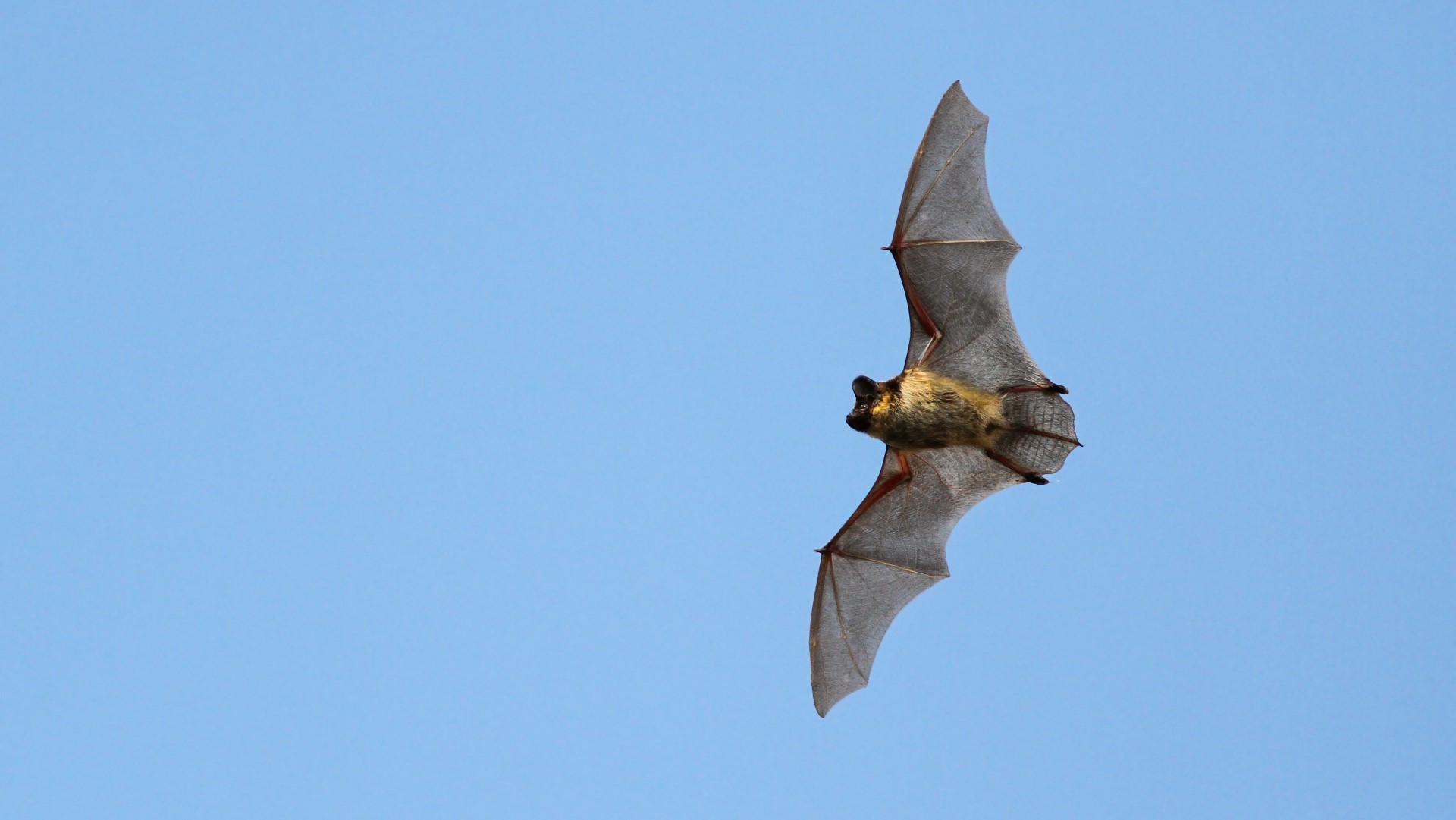
In this issue: Can bats and wind turbines coexist at sea? Using ultrasound detectors on buoys and turbines, researchers are studying bat behaviour and migration patterns at sea with the aim of reducing collision risks. Plus: How a peatland in Wales is transforming from carbon leak to carbon sink, and why dancing rods keep fish away from hydro power plants. |
||
THE EDIT #16 Climate communication
In this issue: How can we talk about climate change without getting stuck in the bad news problem? In this issue, THE EDIT explores new ways to keep climate communication engaging and hopeful, so it inspires action rather than causing anxiety. Plus: In Lund, Sweden, a series of after-work events are making climate action part of everyday conversation. And, CEO Anna Borg on how Vattenfall wants to contribute to more hopeful climate communication. |
THE EDIT #17 Agriculture
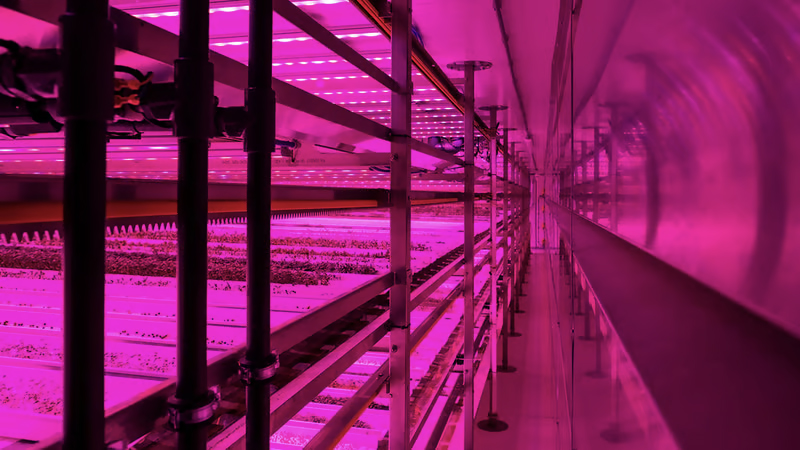
In this issue: Agriculture is a major source of emissions, but innovation is sowing the seeds of a more sustainable future. Breakthroughs like vertical farming are challenging convention and reducing land and water use with layered, LED-powered plant beds. Plus: We explore how fossil-free ammonia can transform fertiliser production. And, as an extra treat, seaweed recipes for your next dinner party. |
THE EDIT #18 Energy saving
In this issue: Data centres currently use around 1.3 per cent of the world’s electricity. In this issue we explore how they are becoming key players in energy efficiency, by harnessing and repurposing the heat they generate. Plus: Solar-powered boilers enable Dutch homeowners to use up to 80 per cent of their solar energy for water heating, cutting both gas use and costs. And: Boost your business with five easy energy saving tips. |
||
THE EDIT #19 Flexibility
In this issue: To meet its fossil-free goals, the EU must double its energy system's flexibility by 2030. From advanced battery storage to new vehicle-to-grid solutions – discover how we can make renewables like wind and solar more reliable. Plus: A hybrid park in Sweden shows the way forward for weather-dependent energy. And smart EV charging proves it can ease grid pressure by almost 50 per cent. |
THE EDIT #20 Solar energy
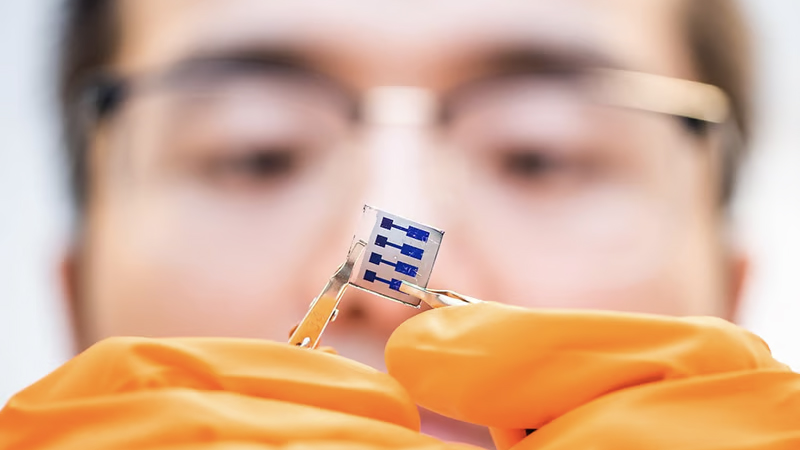
In this issue: Meet perovskite, the talk of the town in solar tech – a material with the potential to transform renewable energy through innovative applications, faster energy payback times, and recyclability. Plus: Visit the Swedish island Arholma where solar, batteries and smart tech ensure energy independence from the mainland. And: Vattenfall is scaling up solar in Germany with Agri-PV and hybrid systems. |
THE EDIT #21 AI and the energy transition
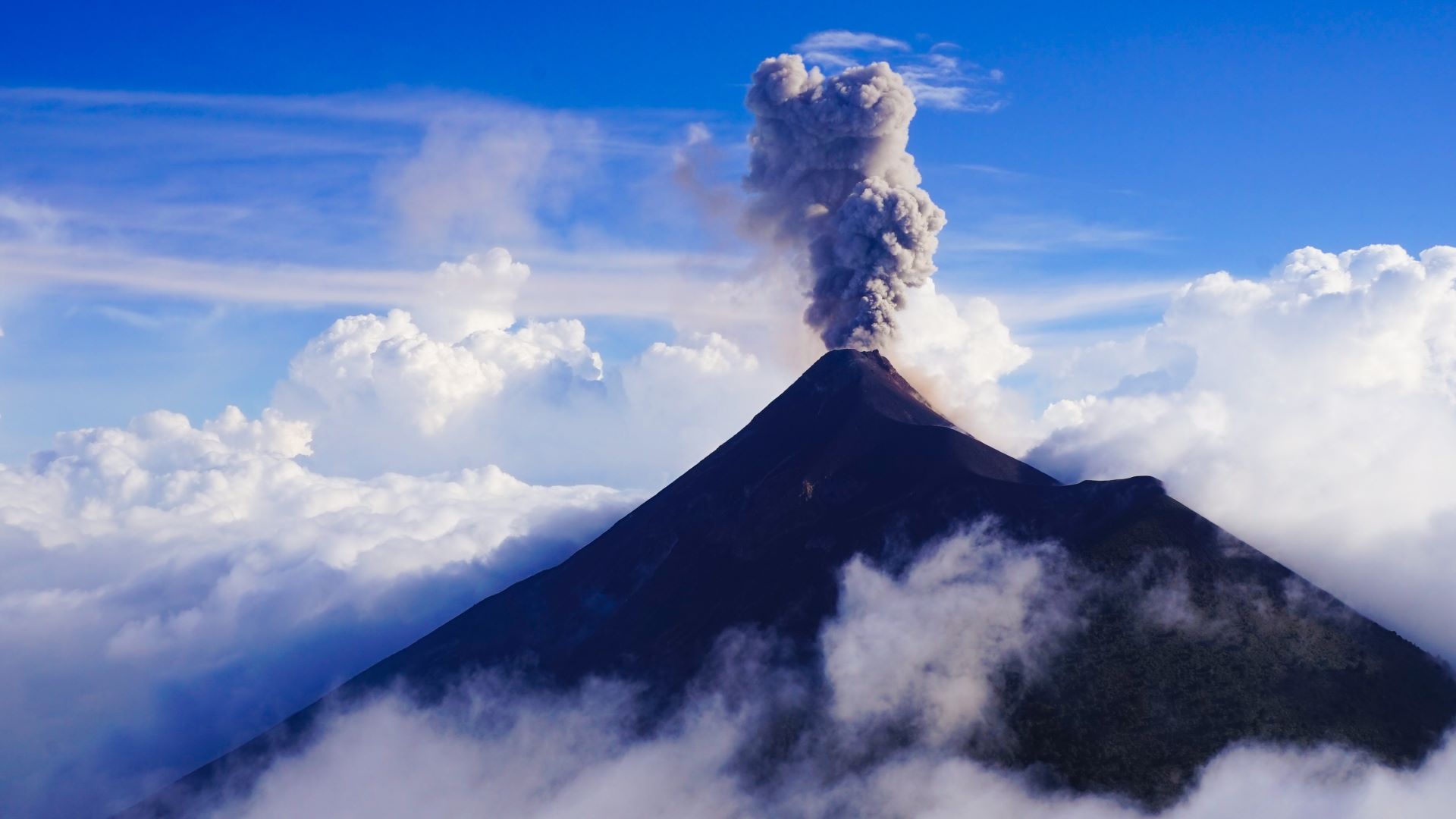
In this issue: We’re diving headfirst into the core of the Earth to explore how Artificial Intelligence, AI, can unlock its powerful energy. The potential of volcanic superheated steam and liquid magma heat are now within reach, as AI becomes a powerful partner towards a fossil-free future. Plus: Meet Spot the robot dog, doing the high-risk tasks at a Swedish nuclear plant, and the AI-driven drones that are working at offshore wind farms. |
||
THE EDIT #22 The power of partnering
In this issue: The transition to fossil freedom is not something that any of us can achieve alone. It takes collaboration, shared knowledge, and bold ideas. In this edition of THE EDIT, we show what happens when people come together to rethink materials, resources, and energy systems. |
THE EDIT #23 The matter of materials
In this issue: What if buildings came with a material map? A new AI tool reveals what’s hiding inside – and why urban mining might be key to the energy transition. Plus: Low-carbon cement is being tested in Vattenfall's lab – and 3D printing is helping nuclear plants stay powered up. |
THE EDIT #24 Tracking a changing planet
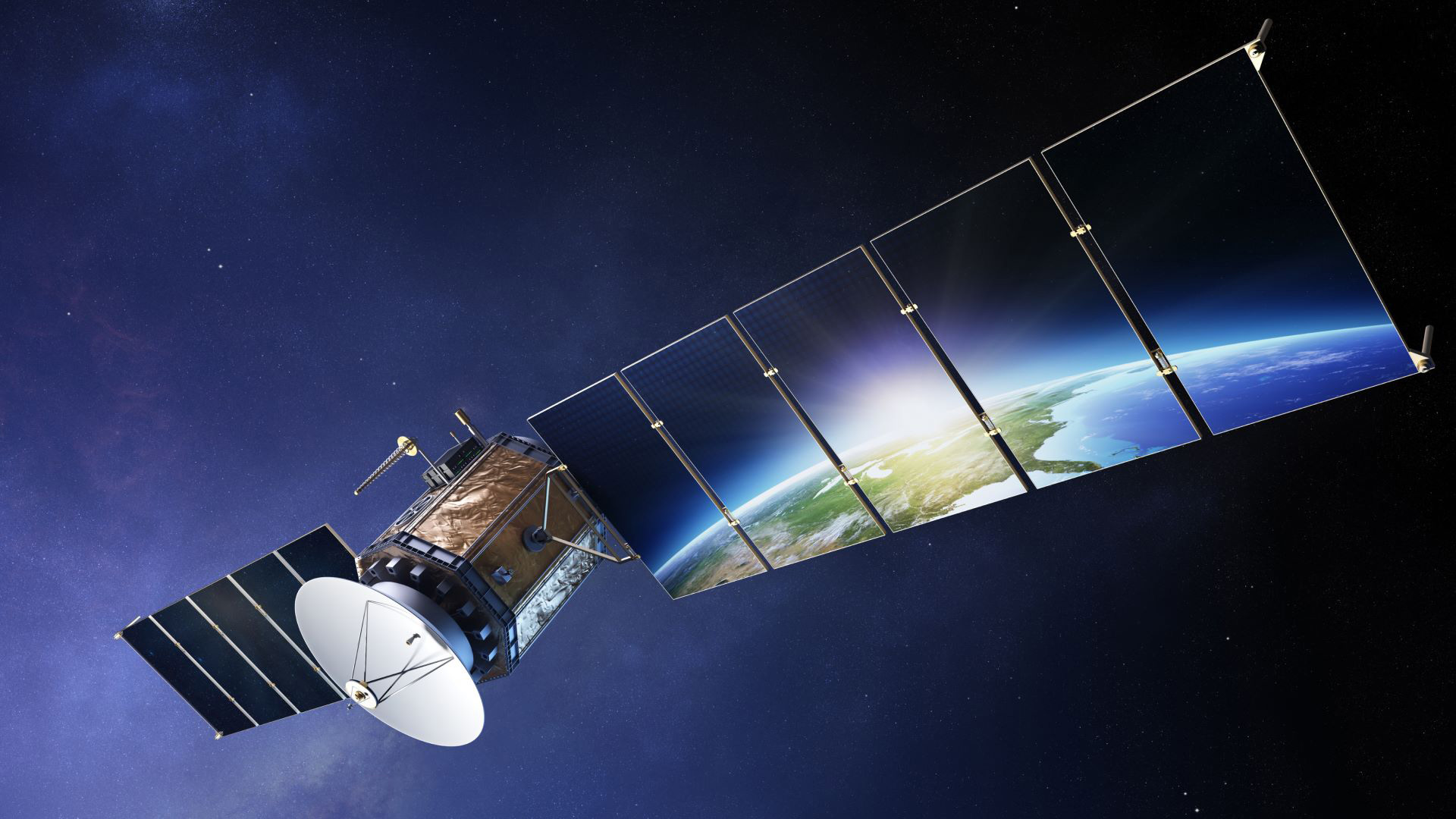
In this issue: Satellites are becoming the ever-watchful eyes of biodiversity researchers as landscapes shift in the wake of global warming. Plus: New data sheds surprising light on how birds interact with wind farms.. |
||
THE EDIT #25 Co-use of space
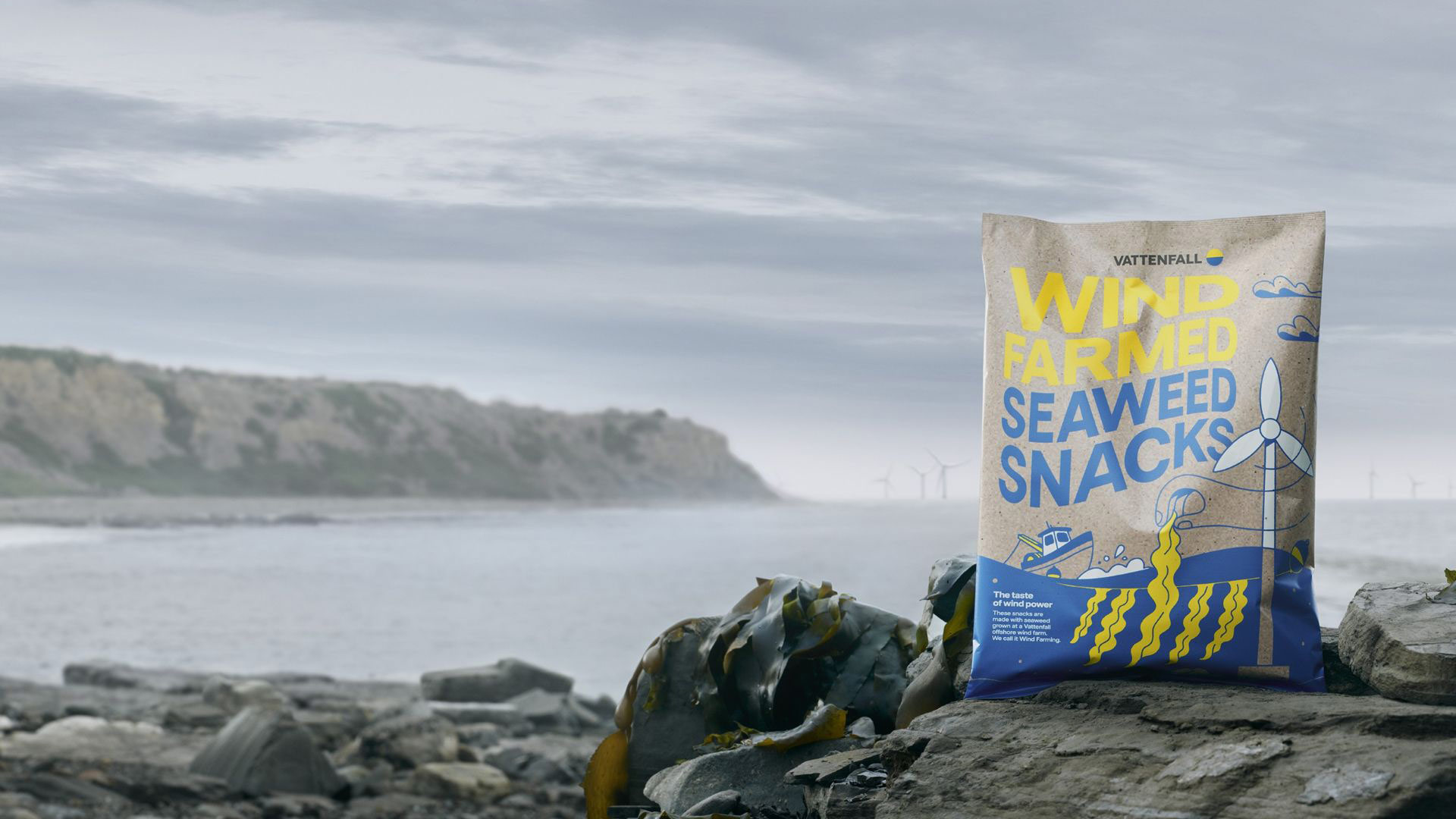
In this issue: All eyes on Vattenfall’s WIN@sea project – where offshore wind is combined with seaweed farming and mussel cultivation. And yes, that is Samuel L. Jackson. Don't miss our interview with the iconic actor at the end of this newsletter, he has a message worth reading. |
THE EDIT #26 In cooperation with nature
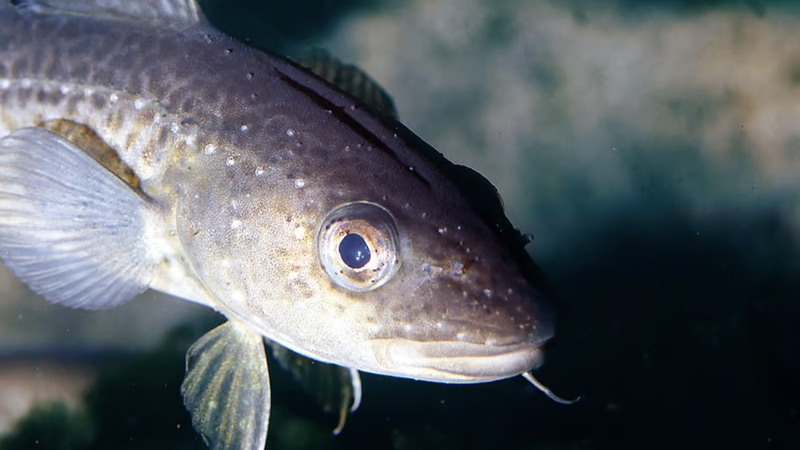
Hello! In this issue: We’re diving deep to explore how fishing can work alongside offshore wind farms – and how new technology reveals secrets from below the surface. Plus: Germany’s pumped hydropower plants just got even more powerful. |
THE EDIT #27 The future of food production
In this issue: Production of food and animal feed accounts for a big chunk of the world’s carbon emissions. We explore ongoing efforts to do something about it. Plus: Circularity at its best, as waste heat and food scraps are turned into larvae, which are then used as feed at fish farms. |
||
THE EDIT #28 Nuclear
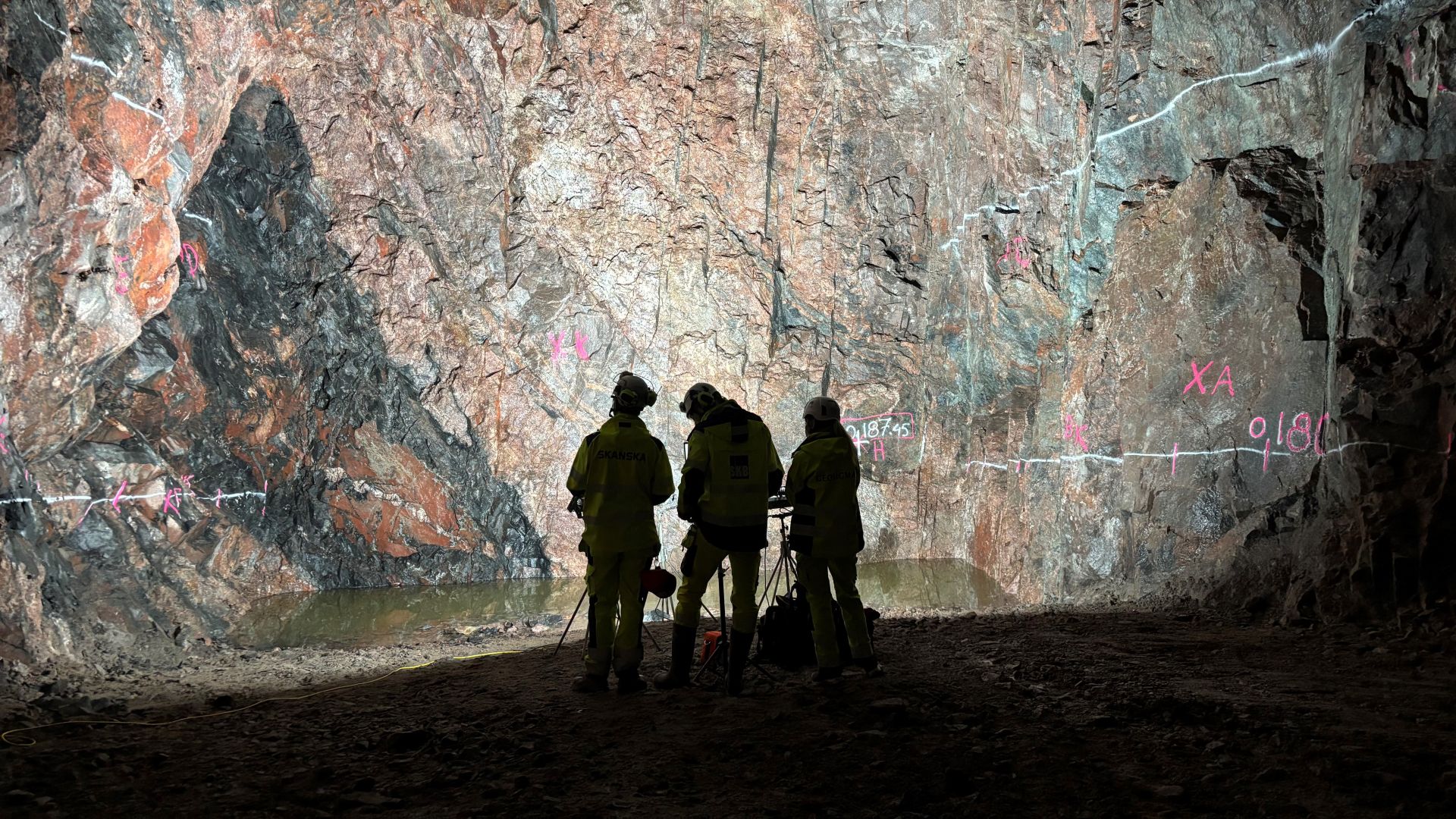
In this issue: In this issue: Modular reactors are on everyone’s lips when it comes to nuclear. What are they, and why are they so popular? Plus: Sweden is building one of the world’s first final repositories for nuclear waste. |
THE EDIT #29 Progress in practice
In this issue: The largest construction in fossil-free steel to date is now under way in northern Sweden. Plus: How parts from decommissioned wind turbines can be refurbished into new, practical uses. And Vattenfall's comments on COP30. |
THE EDIT #30 The flexible grid
In this issue: Millions of parked electric vehicles could become a powerful new source of flexibility for the energy system. Plus: How modern wind and hybrid parks are stepping up with impressive features. |
||
THE EDIT #31 Security of supply
In this issue: Europe’s energy security is changing to adapt to a more uncertain reality, with decentralised electricity systems designed to withstand stress. Plus: What can Finland teach the rest of Europe about treating disruption as normal? And the implications of Europe’s new gas strategy. |
THE EDIT #32 Rethinking hydropower
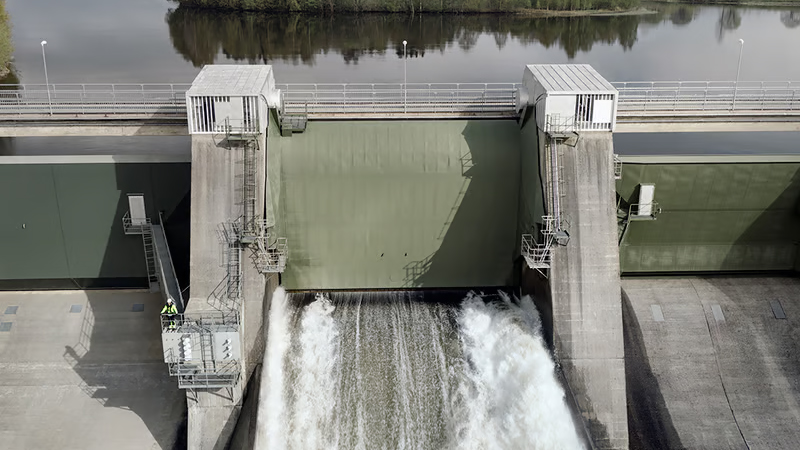
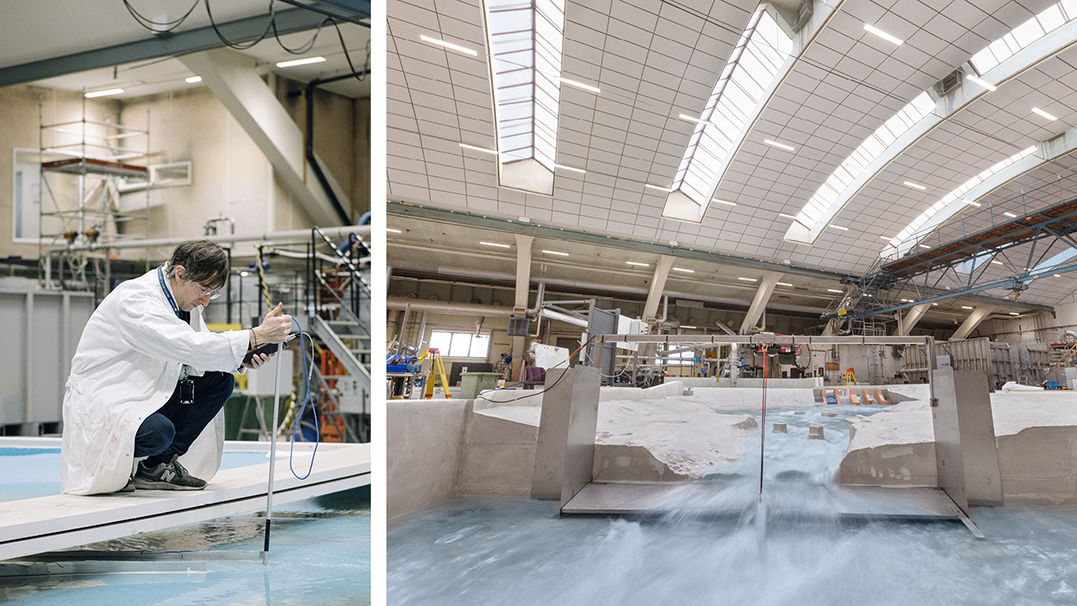
In this issue: Rethinking hydropower means exploring how a centuries-old technology can adapt to a changing energy system. Digital and physical upgrades are boosting production while also helping protect nature. Plus: Floating islands for nesting birds, snow data behind the spring flood in northern Sweden, and smarter algorithms for pumped hydro. |
THE EDIT #33 When energy meets nature
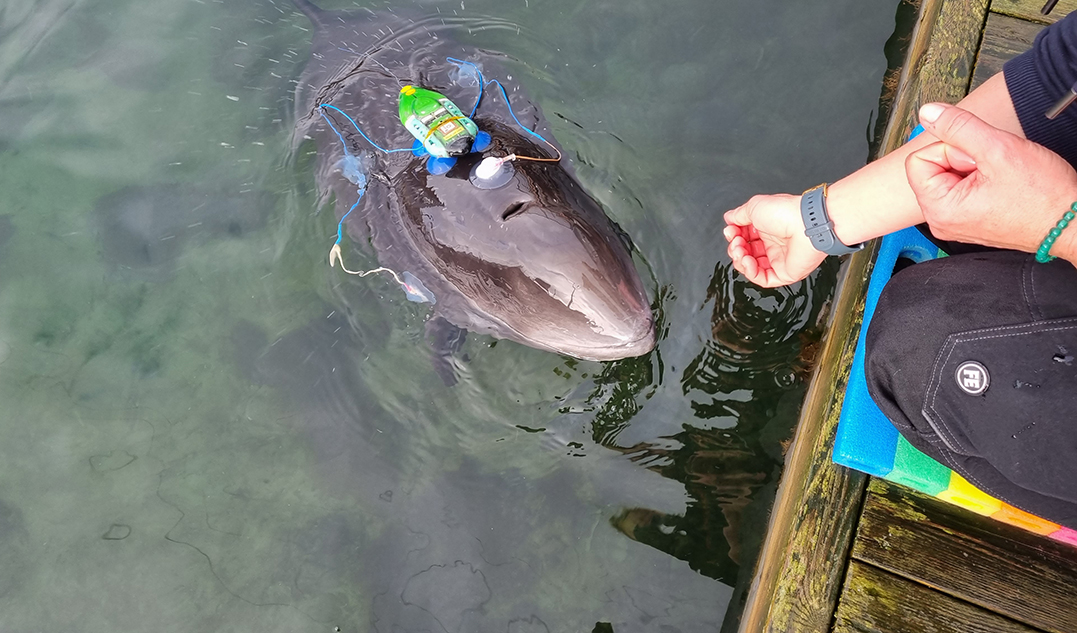
In this issue: Studies shed new light on both the air and the sea, deepening our understanding of the interaction between animals and energy infrastructure. Plus: New research shows how closely biodiversity and business are connected. |
||
THE EDIT #34 Europe's energy transition
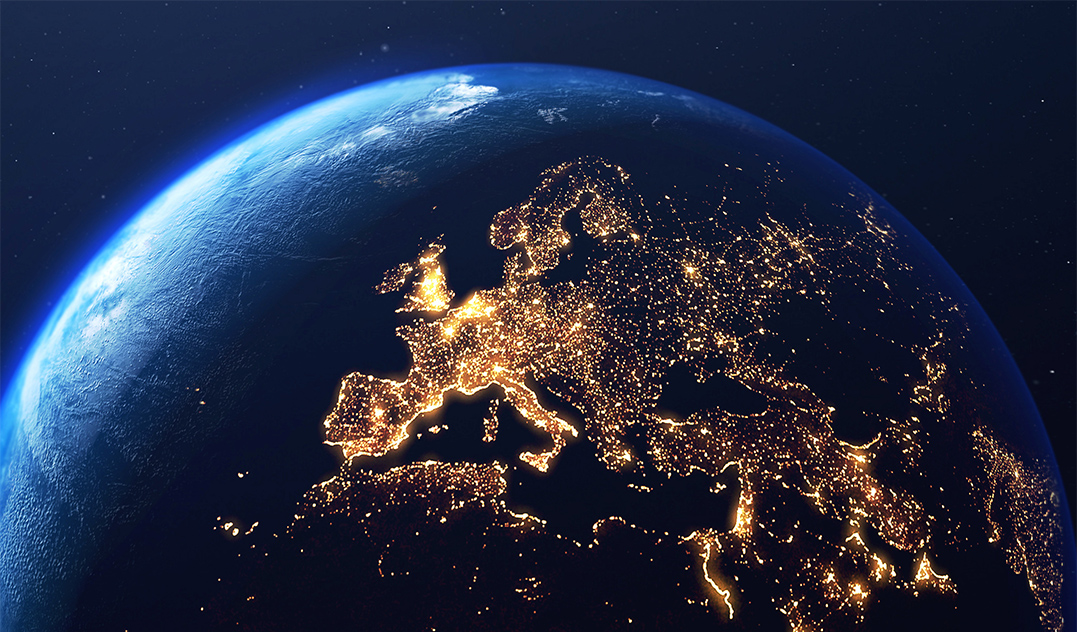
In this issue: As the global energy market faces major disruption, Europe is under pressure to stay the course in the energy transition. Plus: How cement is offering concrete steps towards lower emissions. |
THE EDIT #35 Transforming transports
In this issue: EV infrastructure is evolving rapidly, with smart charging, longer ranges and heavy transport among the key areas of progress. Plus: A major project in the UK is proving that low-emission construction is possible. |






See also

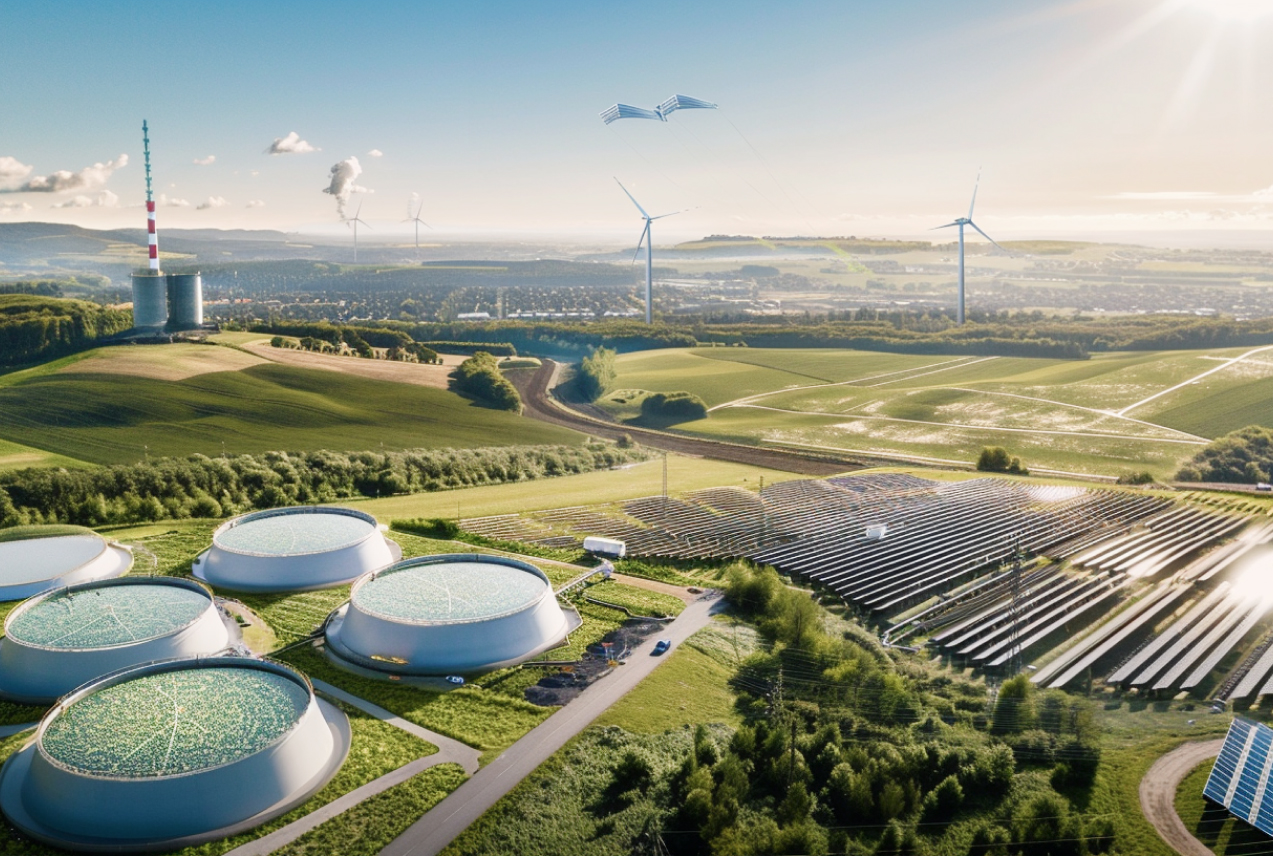
We are one of Europe’s largest producers and retailers of electricity and heat.

We want to enable the fossil freedom that drives society forward.

Vattenfall’s main markets are Sweden, Germany, the Netherlands, Denmark and the UK.
Biodiversity |
|
Energy storage |
|
Net zero |
Hydrogen |
|
Supporting society |
|
Nuclear |
Transportation |
|
Energy efficiency |
|
Circularity |
Challenges & solutions
|
|
Storing & using captured carbon |
|
Climate risk management |
Water |
|
Innovation |
|
Climate communication |
Agriculture
|
|
Energy saving |
|

See also
We are one of Europe’s largest producers and retailers of electricity and heat.
We want to enable the fossil freedom that drives society forward.
Vattenfall’s main markets are Sweden, Germany, the Netherlands, Denmark and the UK.